
Introduction
There’s no shortage of overhyped ingredients in food culture, but masgonzola isn’t one of them. It quietly solves a real problem: people want the depth of blue cheese without the aggressive bite that usually comes with it. Instead of forcing a taste preference, masgonzola meets the eater halfway—and that alone makes it worth talking about seriously.
Why masgonzola works when other cheeses fail
Strong cheeses divide people fast. You either love them or push the plate away. That’s where masgonzola earns its place. It tones down the sharp edge without flattening the character.
The balance is what stands out. There’s enough creaminess to soften the tang, but not so much that it becomes bland. When you spread masgonzola on warm bread, it doesn’t just sit there—it melts slightly, releases aroma, and holds flavor without overwhelming the bite.
A lot of creamy cheeses lack personality. A lot of bold cheeses lack approachability. Masgonzola lands right in between, and that middle ground is harder to achieve than it sounds.
Texture is the real selling point
Flavor gets the attention, but texture is where masgonzola quietly dominates.
It’s soft without being runny. Spreadable without collapsing. Dense enough to hold shape on a cheese board but forgiving enough to blend into sauces without clumping. That versatility isn’t common.
Compare it to crumbly blue cheese, which often breaks unevenly and resists smooth melting. Or compare it to mascarpone, which can feel too rich and one-dimensional when used alone. Masgonzola avoids both problems.
That makes it practical. Not just interesting—usable.
Where masgonzola actually shines in cooking
A lot of ingredients sound good in theory but fall apart once heat is involved. Masgonzola does the opposite. It improves.
In pasta, it melts into a smooth, slightly tangy sauce that clings to noodles instead of pooling at the bottom. You don’t need much—too much would ruin the balance—but the right amount changes the entire dish.
On pizza, masgonzola behaves better than sharper blue cheeses. It softens under heat without turning oily or overpowering the rest of the toppings. Pair it with caramelized onions or mushrooms and it carries the dish without dominating it.
It also works cold. Spread it on crackers, pair it with fruit, or add it to a sandwich where you want depth without heaviness. Masgonzola doesn’t demand attention—it rewards it.
The difference between masgonzola and traditional blue cheese
People often assume masgonzola is just a lighter version of blue cheese. That’s not quite accurate.
Traditional blue cheese can be sharp, salty, and sometimes aggressively pungent. That intensity works in small doses but can limit how often you reach for it. Masgonzola shifts that dynamic. It keeps the recognizable tang but wraps it in a smoother, more controlled profile.
That difference changes how often it gets used. Blue cheese might show up occasionally. Masgonzola fits into regular cooking without feeling like a special-case ingredient.
It’s not a replacement—it’s a smarter option in situations where balance matters more than intensity.
Pairing masgonzola without overthinking it
Some foods demand careful pairing. Masgonzola isn’t one of them, but that doesn’t mean anything goes.
It pairs best with contrast. Sweet elements bring out its creaminess, while earthy flavors highlight its depth.
Fresh figs, pears, or even a drizzle of honey create a simple combination that works every time. Not because it’s trendy, but because the contrast is clean and effective.
On the savory side, roasted vegetables—especially mushrooms or squash—build a richer profile without clashing. Masgonzola doesn’t fight for space on the plate. It integrates.
That’s the key difference. It plays well with others.
Why masgonzola appeals to cautious eaters
Not everyone wants bold, challenging flavors. That doesn’t mean they want boring food either.
Masgonzola bridges that gap. It introduces complexity without forcing a strong reaction. Someone who avoids blue cheese might still enjoy masgonzola because the intensity is controlled.
That makes it useful beyond personal preference. If you’re cooking for a group with mixed tastes, masgonzola reduces risk. It’s far less likely to divide opinions at the table.
And in real-world cooking, that matters more than chasing extremes.
The role of masgonzola in modern recipes
Recipes have shifted toward balance. Heavy, single-note dishes don’t hold attention the way they used to. People want layers, but they don’t want chaos.
Masgonzola fits that shift. It adds depth without requiring complex preparation. You don’t need to build around it—it adapts to what’s already there.
In a risotto, it adds richness without making the dish feel heavy. In a sauce, it creates body without needing excessive cream. Even in simple dishes, a small amount of masgonzola can change the direction entirely.
It’s not about showing off the ingredient. It’s about improving the result.
When masgonzola doesn’t work
Not every ingredient is universal, and pretending otherwise leads to bad cooking.
Masgonzola struggles in dishes that rely on sharp contrast or acidity. If a recipe depends on a strong, clean bite—like a vinaigrette-heavy salad—it can feel out of place.
It also loses impact when overused. Because it’s subtle compared to stronger cheeses, adding too much doesn’t increase flavor—it muddies it. The balance that makes masgonzola effective disappears if you push it too far.
Used with restraint, it elevates. Used carelessly, it flattens.
Choosing and storing masgonzola properly
Quality matters more than people admit. A poorly handled cheese loses texture first, then flavor.
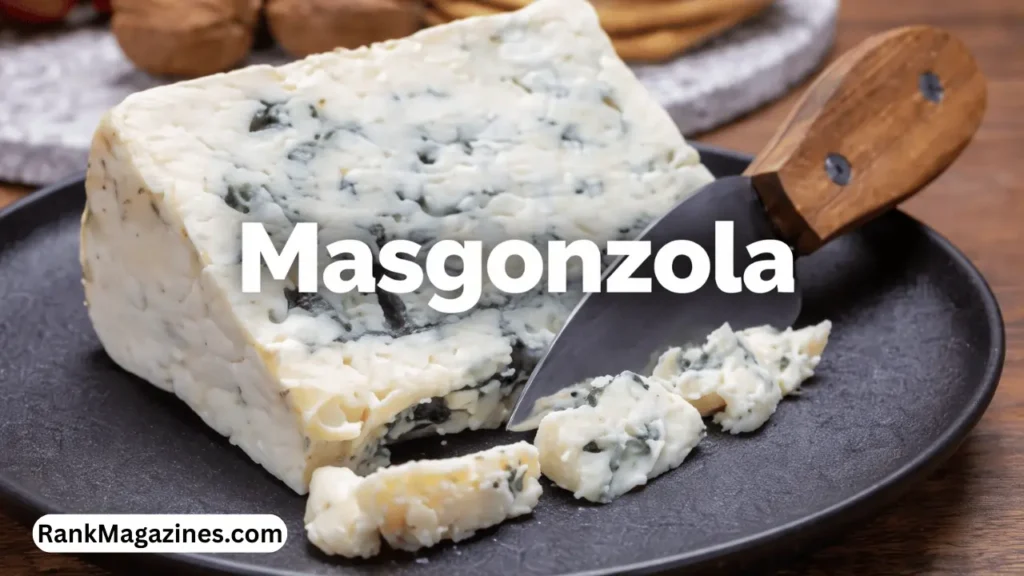
Masgonzola should feel soft but not wet. The marbling should be visible without looking overly processed. If it smells overly sharp or sour, it’s past its best.
Storage is simple but important. Keep it wrapped, not sealed airtight, and store it in the fridge where temperature stays stable. Let it sit at room temperature briefly before serving—cold masgonzola hides its own flavor.
Small adjustments like that make a noticeable difference.
masgonzola as a long-term staple, not a novelty
A lot of ingredients show up once, impress, and disappear. Masgonzola has the opposite trajectory. The more you use it, the more practical it becomes.
It doesn’t rely on novelty. It relies on consistency. Once you understand how it behaves, it becomes a reliable option rather than an occasional experiment.
That’s what separates a trend from a staple.
Conclusion
Masgonzola isn’t trying to compete with bold cheeses or replace mild ones. It sits in the space most ingredients ignore—the middle ground where real cooking happens. That balance makes it more useful than louder, more extreme options. If you’re still treating cheese as either safe or intense, masgonzola forces you to rethink that split. Use it deliberately, and it earns its place fast.
FAQs
1. Does masgonzola melt better than regular blue cheese?
Yes, it melts more evenly and creates a smoother texture, which makes it better for sauces and pasta.
2. Can masgonzola be used as a spread on its own?
It works well as a spread, especially when slightly warmed or paired with something sweet like fruit or honey.
3. Is masgonzola suitable for people who dislike strong cheese?
In most cases, yes. Its flavor is milder and more balanced, making it easier to enjoy.
4. How much masgonzola should be used in cooking?
Small amounts are usually enough. Adding too much can dull the flavor instead of enhancing it.
5. What foods clash with masgonzola?
Highly acidic or sharp dishes tend to overpower it, reducing its effectiveness in the final flavor.
You May Also Read: Coolkingzone com: Complete Review, Key Features and Real User Experience