
Introduction
Most people treat koriandri like an afterthought—a handful of chopped leaves tossed on top for color or a spice added without thinking. That’s a mistake. When used properly, koriandri doesn’t just decorate food, it changes how a dish tastes, smells, and even how your body reacts to it. Ignore it, and you miss depth. Use it with intention, and everything sharpens.
Why koriandri works harder than most kitchen ingredients
There’s a reason koriandri shows up across completely different cuisines without losing relevance. It carries a balance that’s hard to replicate—freshness on one end, warmth on the other.
The leaves hit quickly. Bright, slightly citrusy, sometimes even sharp. That’s why they work best at the end of cooking. Heat dulls them fast, so tossing koriandri into a simmering pot too early wastes what makes it special.
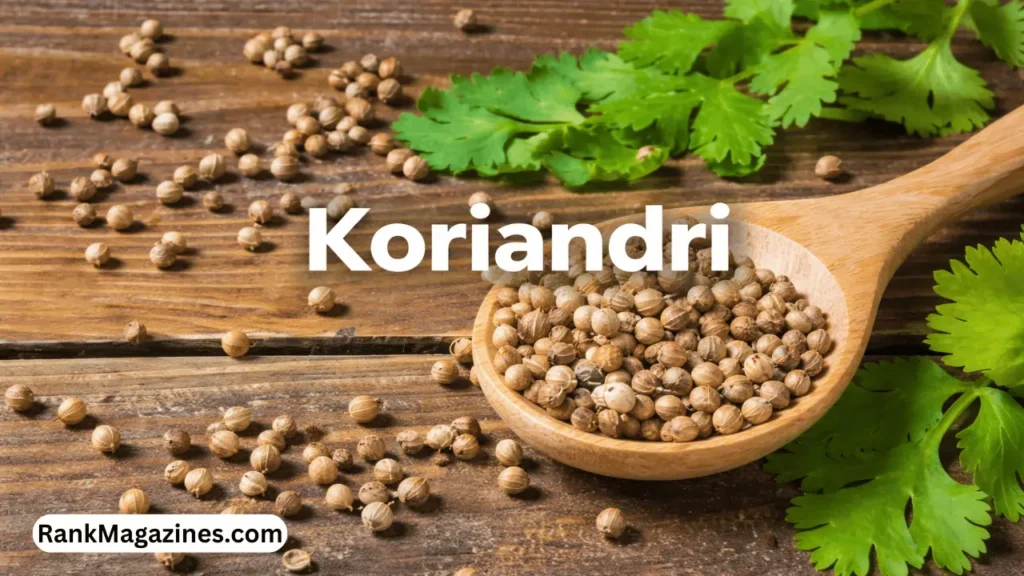
The seeds behave differently. Toast them, and they release a deeper, nutty character. Grind them fresh, and the aroma cuts through heavy spices without overpowering them. This dual personality is what makes koriandri more than just a garnish or spice—it’s a tool.
A simple example: a basic lentil dish can feel flat until a pinch of roasted koriandri seeds is added. Suddenly, it has structure. Not louder, just more complete.
The difference between careless use and deliberate use
Most home kitchens don’t get the best out of koriandri because it’s handled without attention. It’s either thrown in raw or overcooked into nothing.
Timing matters more than quantity.
Fresh koriandri should almost never be cooked for long. It belongs at the finish line—on top of curries, mixed into salads, or folded into rice after it’s off the heat. That’s where its flavor stays intact.
Seeds are the opposite. Raw seeds can taste flat. Light roasting wakes them up. Not burnt, not dark—just enough heat to release oils. Grind them right after, and the difference is obvious.
There’s also a texture issue people ignore. Finely chopped koriandri blends into food. Roughly chopped leaves stand out. Both have their place, but using the wrong cut can throw off the balance of a dish.
koriandri and digestion: not just tradition, but practical impact
People don’t keep koriandri in their meals just for flavor. There’s a practical side to it that shows up after you eat.
Heavy meals—fried food, rich curries, oily dishes—sit differently when koriandri is part of them. It lightens the experience. Not by removing richness, but by cutting through it.
Coriander seeds, especially when soaked or boiled into water, have been used for digestion for generations. That didn’t happen randomly. There’s a noticeable effect: less bloating, smoother digestion, less heaviness.
Fresh koriandri leaves add another layer. Their natural compounds interact with the body in subtle ways—nothing dramatic, but enough that meals feel cleaner.
If you’ve ever had a dish that felt too rich and then noticed how a sprinkle of koriandri made it easier to finish, that’s not coincidence.
Flavor pairing: what actually works and what doesn’t
koriandri doesn’t work with everything, and pretending it does is lazy cooking.
It pairs best with:
- Citrus elements like lemon or lime
- Spices like cumin, turmeric, and chili
- Ingredients that carry fat, like yogurt or oil
That combination shows up everywhere for a reason—it works.
Where koriandri struggles is with overly sweet dishes. It clashes with heavy sweetness unless carefully balanced. It also loses impact when mixed with too many competing herbs. Throwing koriandri into a mix of five herbs doesn’t create complexity. It creates confusion.
There’s also a common mistake of combining koriandri with overpowering spices without restraint. Strong flavors like clove or cinnamon can bury it completely. When that happens, koriandri becomes pointless.
The better approach is restraint. Let it support, not compete.
Fresh vs dried koriandri: not interchangeable
A lot of people assume dried koriandri leaves can replace fresh ones. They can’t. Not in any meaningful way.
Fresh leaves bring brightness. Dried leaves bring almost nothing in comparison. The aroma fades, the flavor weakens, and what’s left doesn’t justify using it.
Seeds, however, hold their value even when dried. In fact, that’s how they’re meant to be used. The key is freshness in grinding. Pre-ground koriandri loses potency fast. Whole seeds last longer and deliver better results when ground just before use.
If quality matters, fresh leaves and whole seeds should be the default.
How koriandri fits into everyday cooking without effort
koriandri doesn’t require complicated recipes to make an impact. It fits into simple routines if used smartly.
Add chopped koriandri to scrambled eggs at the end instead of during cooking. Mix it into yogurt with a bit of salt and cumin for a quick side. Sprinkle it over grilled meat or vegetables just before serving.
Even plain rice changes character with a handful of fresh koriandri and a squeeze of lemon.
The point isn’t to build entire dishes around koriandri. It’s to use it where it actually improves something. Small adjustments, noticeable difference.
The problem with overusing koriandri
There’s a point where koriandri stops helping and starts dominating.
Too much fresh koriandri can overpower a dish with a sharp, almost soapy note. Not everyone tastes it the same way, but when it hits that level, it becomes distracting.
The same goes for seeds. Overloading a spice blend with koriandri dulls other flavors instead of enhancing them.
Balance matters. koriandri should support the dish, not announce itself in every bite.
This is where experience shows. Knowing when to stop matters more than knowing when to start.
Storage mistakes that ruin koriandri quickly
koriandri is fragile, and most people store it wrong.
Fresh leaves shouldn’t be left loose in the fridge. They wilt fast. The better method is to treat them like herbs—trim the stems, keep them slightly moist, and store them covered. That keeps them usable for longer.
Seeds need the opposite treatment. Dry, airtight, away from heat. Moisture kills their shelf life.
Grinding seeds in bulk is another mistake. Once ground, koriandri loses aroma quickly. Smaller batches keep it fresh.
Ignoring storage turns good koriandri into wasted koriandri.
Why koriandri remains essential despite changing food trends
Food trends come and go, but koriandri doesn’t disappear. That says something.
It adapts easily. It works in traditional dishes, modern cooking, street food, and even experimental recipes. It doesn’t demand attention, but it improves what it touches.
There’s also a cultural factor. koriandri is deeply embedded in everyday cooking habits across regions. It’s not a specialty ingredient. It’s a daily one.
That kind of staying power doesn’t happen by accident. It happens because the ingredient earns its place repeatedly.
The real takeaway
koriandri isn’t special because it’s rare or exotic. It’s special because it’s easy to misuse and hard to master.
Anyone can throw it on top of food. That doesn’t mean they’re using it well.
The difference shows in small details—when it’s added, how it’s prepared, how much is used. Get those right, and koriandri stops being background noise and starts doing real work in your cooking.
Ignore those details, and it stays what most people treat it as: just another green leaf.
FAQs
1. Why does koriandri sometimes taste so strong in certain dishes?
It usually comes down to quantity and timing. Adding too much fresh koriandri or cooking it too long can intensify its sharper notes, making it stand out more than intended.
2. Can koriandri be used in drinks or not just food?
Yes, especially coriander seed water or light infusions. It’s often used in traditional drinks aimed at digestion, though the flavor is mild rather than bold.
3. Is it better to chop koriandri finely or leave it coarse?
It depends on the dish. Fine chopping blends it into the flavor, while coarse cuts make it more noticeable in texture and taste.
4. How do you reduce the bitterness if koriandri tastes off?
Pair it with lemon, salt, or yogurt. These elements balance out any harshness and bring it back into line with the rest of the dish.
5. Why does koriandri lose flavor so quickly after cutting?
Its essential oils evaporate fast once exposed to air. That’s why it’s best chopped right before serving rather than in advance.
You May Also Read: Chameleónovité: Advanced Adaptations, Precision Vision, Hunting and Survival